
Everyone at the DogDaz Zoo had a wonderful holiday. There were lots of treats and cuddles and toys and wrapping paper to chew.
Have a wonderful rest of the year
Just another DogDaz morning at the zoo ❤ 
Everyone at the DogDaz Zoo had a wonderful holiday. There were lots of treats and cuddles and toys and wrapping paper to chew.
Just another DogDaz morning at the zoo ❤
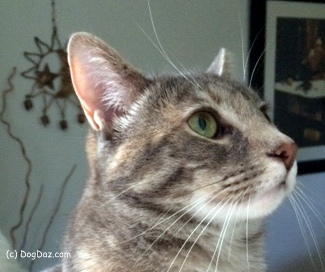
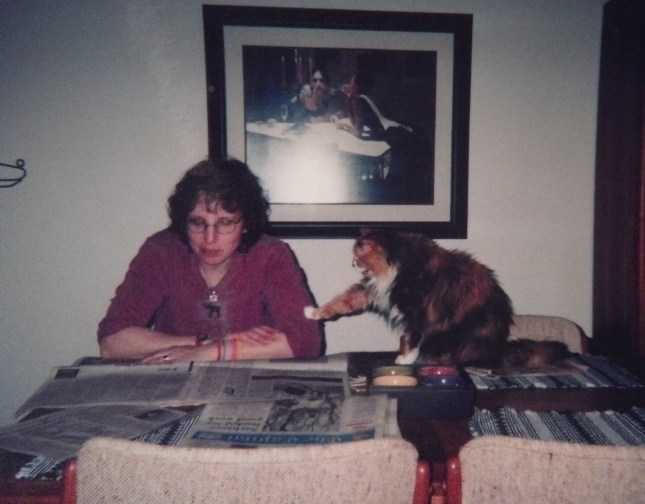
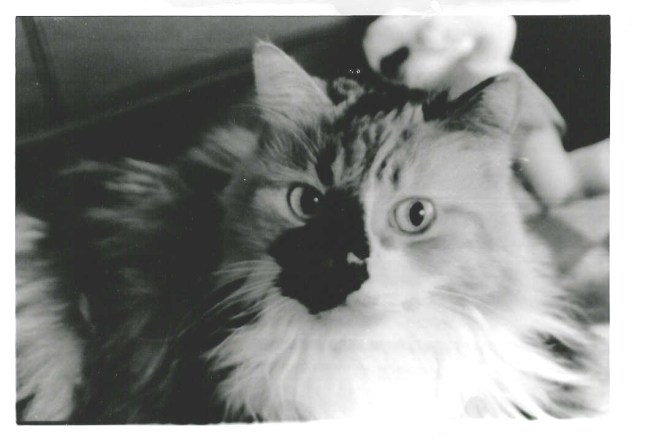
http://messybeast.com/colour-tempment.htm
| Colour | Character Attributes | ||
| “-” indicates no info | Persian (Longhair) | British Shorthair | Moggies (mixed breed) |
| Black | loyal, suspicious of strangers | good-natured | stubborn, friendly, sociable |
| White | calm, peaceful | streetwise and friendly | timid |
| Red (Ginger) | polite | – | shifty, unpredictable, unfriendly, laid back but with fiery tempers |
| Cream | even-tempered | – | – |
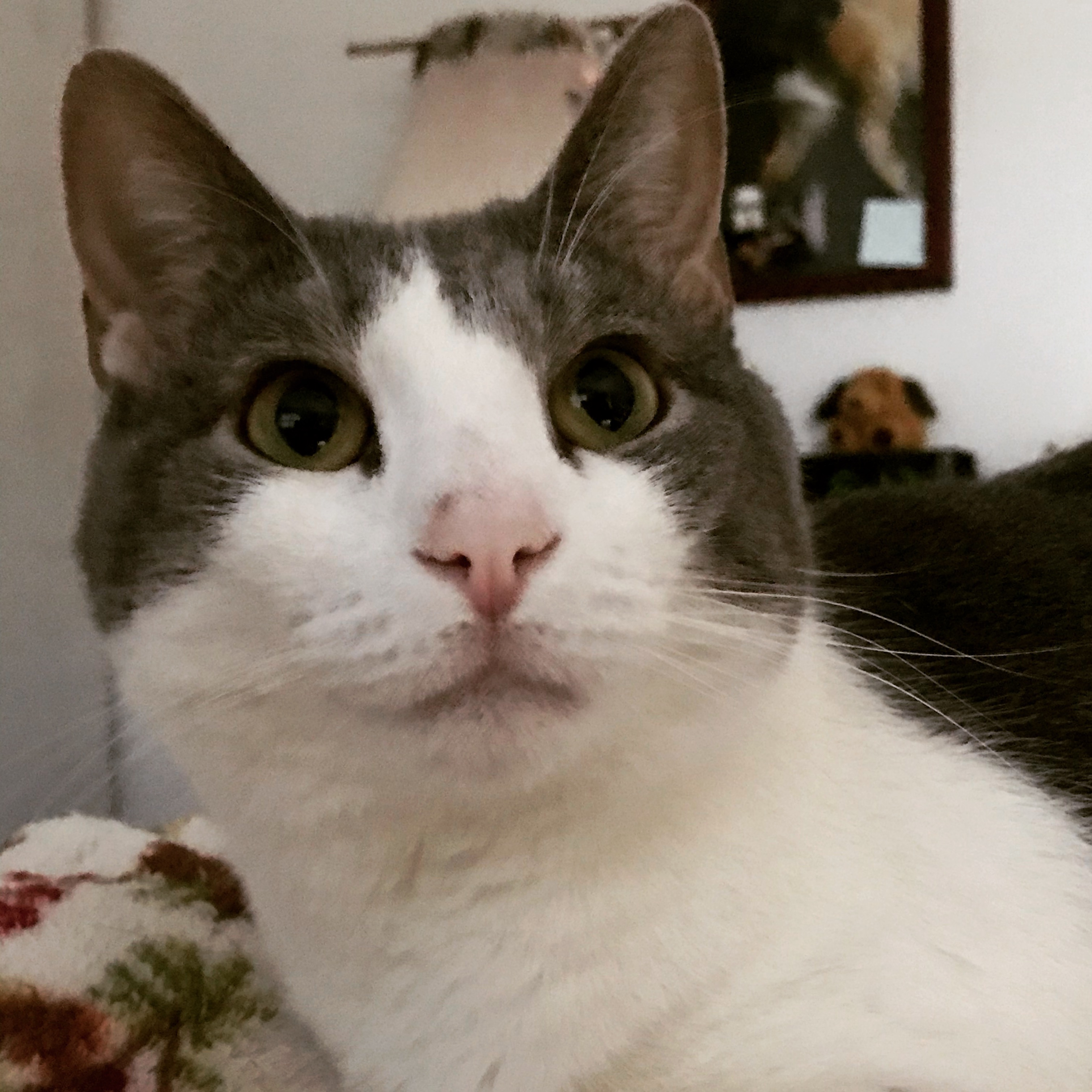
| Blue (Grey) | gentle | quiet, affectionate Possibly inherited from interbreeding with Korats and Russian Blues |
Calm, peaceable |
| Blue-Cream (DiluteTortie) | – | lively | Mischievous. |
| Tortoiseshell | maternal | quick-witted | Naughty, hot-tempered, temperamental |
| Calico (Tortie & White) | calm, sweet-natured | – | Naughty, lively |
| Black & White Bi-Colour | placid | even-tempered, friendly | wanderers. |
| Tabby | equable | good-natured | Languid, home-loving, good pets. |
| Spotted | – | affable | – |
| Black Smoke | relaxed | good natured (inherited from Persians) | – |
| Pewter/Shaded Silver | very affectionate and sweet natured | – | – |
| Cameo | languorous | – | – |
| Colourpoint/Himalayan | gentle, spirited but not demonstrative This colour originated in Siamese cats. |
– | – |
| Chocolate/Lilac | outgoing, inquisitive These colours were introduced from Himalayans i.e. trace back to Siamese. |
– | – |
Just another CATDogDaz morning at the zoo ❤

Lulu under Big Tree
(Original post from Feb. 27, 2012 with updates)
The dominating feature on one side of our back yard is a big maple tree. I call it ‘Big Tree.’ Last year we lost a companion big maple tree on the side yard (lightning hit and then bugs ate it from the inside). It used to mingle its leaves with Big Tree but now we only have the canopy of ‘Big Tree’ to shelter that area in summer. And of course, we have the pines, but, those are different.

Sofie under Big tree
The Red-bellied Woodpecker, Downy, Northern Flicker, Yellow-bellied Sapsucker, Cooper’s Hawk and all the yard birds love that tree. We keep the suet there (you can see in the picture), especially for the peckers. The feeders are in more protected areas because of the osprey and hawks. Every dog likes to lie and play around Big Tree and so did the children. We had a safety cable put in it several years ago to keep it from falling onto the house in a big storm. I did not realize until I went to look for pictures, how much Big Tree has been the background for our lives in this house. We actually bought this house because we felt like we are in a treehouse when looking out the living room window. The kid’s swing-set/treehouse used to live under it (now long gone donated to some deserving other kids). There used to be grass in that area but now there is only sand. The gardens have changed and paths have worn, but Big Tree still is there for us.
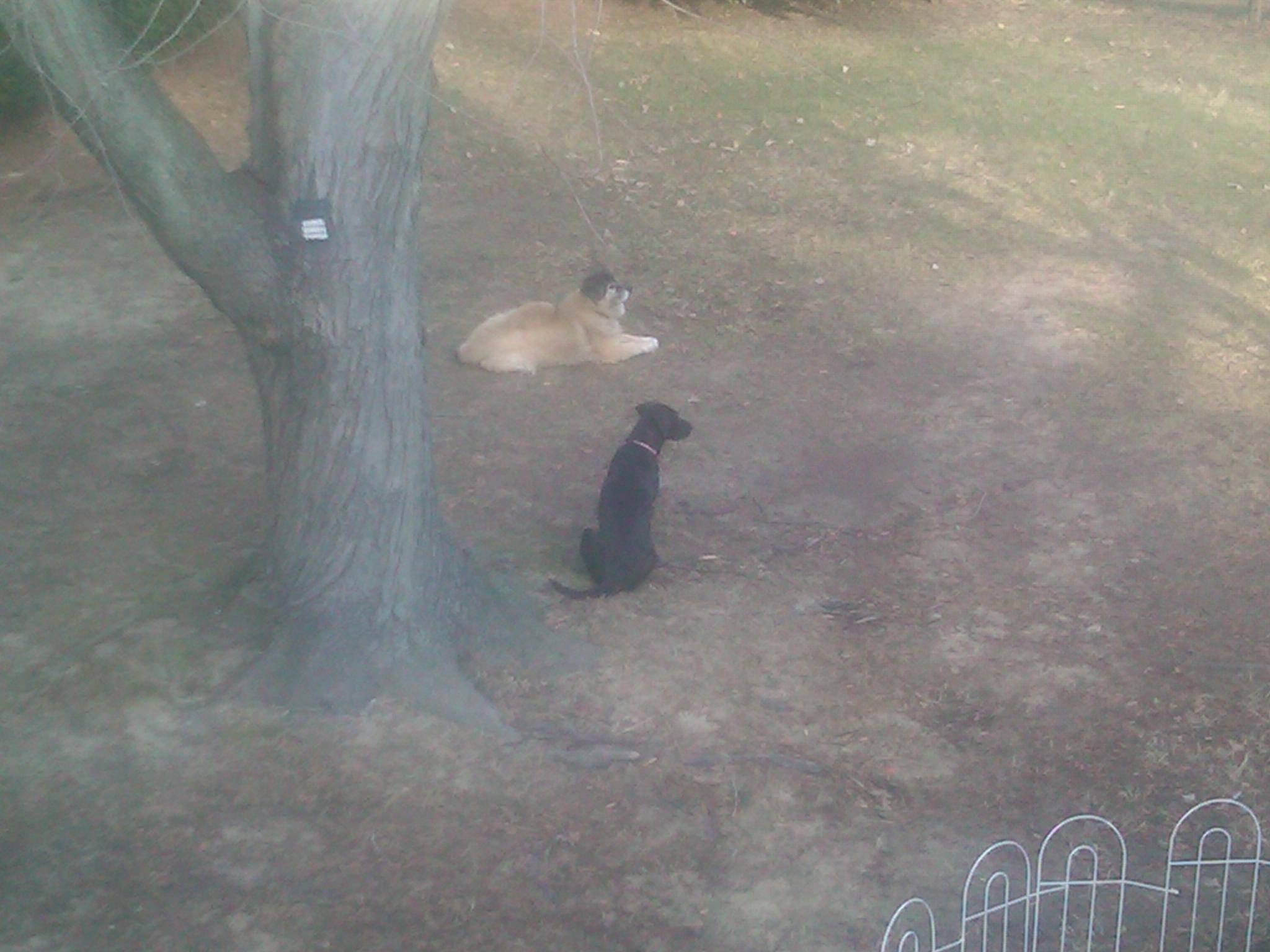
Squash & Lulu under Big Tree January 2011
My stepdaughter, K8, is an amazing photographer, and I thank her for the close-up shots of the hawk, spider, and yard birds. We are blessed with this amazing gathering of birds all year long. We have our common friends: Carolina Chickadees, American Goldfinch, House Finch, Carolina Wrens, Song Sparrow, White-breasted Nuthatch, Tufted Titmouse, Dark-eyed Junco, European Starling, Brown-headed Cowbird, American Robin, Northern Mockingbird, Blue Jay, Mourning Dove, American Crow & Raven, and Northern Cardinal. Oh yes, and our occasional: Baltimore Oriole, Eastern Bluebird, Barred Owl. We also have the ducks that lie under the tree: Teal, Mallard, American Black Duck, American Wigeon.

A spider on the window overlooking Big Tree
The water birds tend to visit but don’t stay long (except the ducks). The Osprey live less than a 1,000 feet away but don’t seem to land on the tree, they circle and watch the action always making their high-pitched squawk as they fly overhead.

Hawk in Big Tree
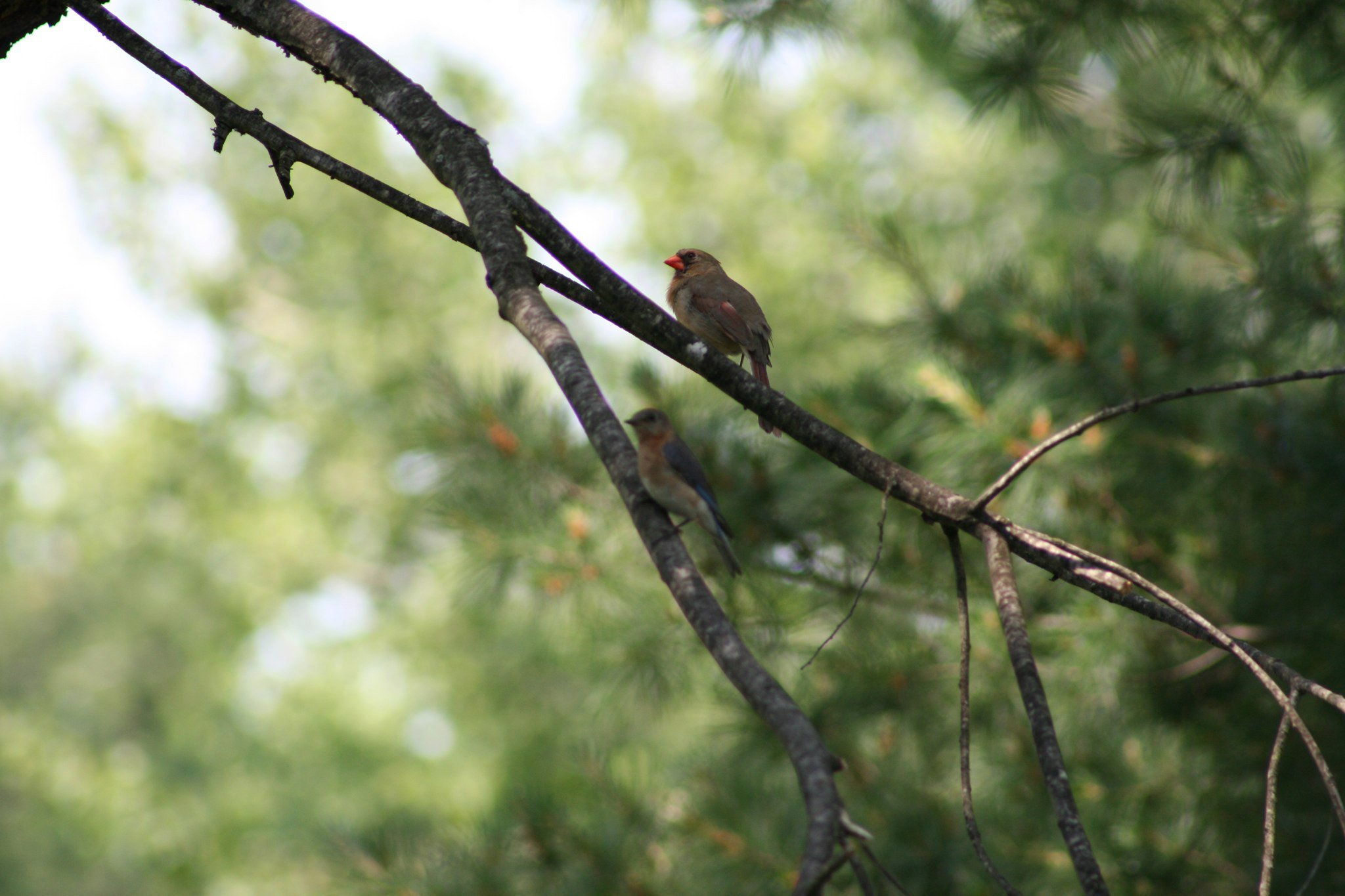
Locals in Big Tree
Trees are an amazing part of the landscape and really form the background of our lives. If you stay in one place for a certain amount of time or visit the same spot year after year, you get to know the trees. Over the years we have lost many trees to their age, and the bugs, and the weather. We had this incredible Tortured Willow that was half dead when we moved in and we nursed that beauty for several years before I was willing to let her go. When you lose a tree, so many things change; the garden pattern, the landscape flow, the shadows, and the sun. The environment changes all around you minute by minute. About 5 years ago (now 12), the people across the street took out over 40 large pines so they could build a second driveway and a shed (that I now have to look out my office window every day at, instead of the wonderful natural forest I loved). All the squirrels and rabbits had to find other homes (of course in my yard). I wish people would stop cutting away the landscape and start caring more what happens when they get rid of all the natural cover just so they could park an extra car. Hey, I just thought about the fact that maybe that is why the wind and runoff pattern has eroded my property around Big Tree much more in the last few years. I think I am going to call a tree expert to make sure the Big Tree is OK. I want it to be here for a really long time if possible because it is the background to my life.
Just another DogDaz morning at the zoo ❤

5 Facts about Rabbits from Smithsonian: Giant Rabbits
In celebration of the annual spring appearance of the Easter bunny on Sunday, Smithsonian Science offers these facts from Rabbits: The Animal Answer Guide, a new book by John Seidensticker, conservation scientist at the Smithsonian’s National Zoo, and Susan Lumpkin, freelance writer.
🐇🐇🐇🐇🐇🐇🐇🐇🐇🐇🐇🐰🐰🐰
1
Rabbits are not rodents, but lagomorphs (lag–uh-mawrf), a scientific term which means “hare-shaped.” Hares and pikas also are lagomorphs.
2
Image: A reconstruction of a giant Minorcan rabbit is shown next to a modern European rabbit. (Image by Meike Köhler)
Scientists studying the bones of an extinct giant rabbit found on the Mediterranean island of Minorca estimate this prehistoric animal weighed as much as 31 pounds! The largest rabbits alive today– domestic breeds such as the Flemish giant–weigh 22 pounds at most.
3
Thanks to human introductions the European rabbit (Oryctolagus cuniculus) is found throughout Western Europe, Australia, parts of South America, North Africa and on more than 800 islands around the world. Today in Iberia, Spain, the European rabbit’s sole home for many thousands of years, it is threatened.
4
Archaeologists have evidence of people hunting rabbits in the south of France some 120,000 years ago. Scientists suspect even Neanderthals lived on diets made up largely of rabbits
5
A “never fail” Kansas folk remedy for reducing fever recommends making a strong tea from the dung of the wild jackrabbit and drinking it every half-hour.
(via: Smithsonian Insider)
Your friends at DogDaz Zoo.
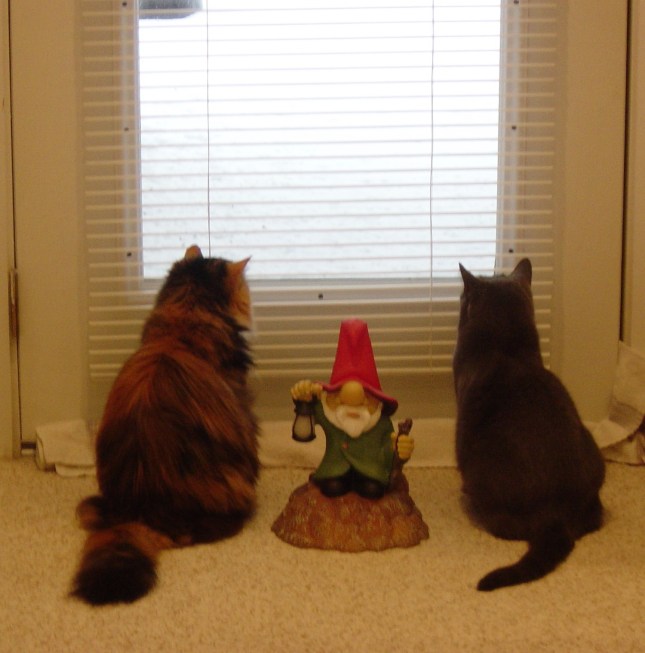
Just another CATDogDaz morning at the zoo ❤

Just another CATDogDaz morning at the zoo ❤

These Ground Hogs are such funny weather predicting creatures. They have names like woodchuck, land-beaver, and whistle-pig. Our regional prognosticator is named Punxsutawney Phil. Phil is known as the “Seer of Seers,” the “Prognosticator of Prognosticators” and the “Most Photographed Pennsylvanian.” People in Pennsylvania dress up in top hats and tails and have this whole big event each year to see if we are going to have an early spring or late winter. Leave it to a rodent to let us know.

Whether Phil sees his shadow or not today, this has been a roller coaster cold winter in the mid-Atlantic already. I plan on staying inside until summer comes.
Update 2019 at 7 am. Phil did not see his shadow. We will have an early spring!!
Just another DogDaz morning at the Zoo 

Just another CATDogDaz morning at the zoo ❤

Just another DogDaz morning at the zoo ❤
Just another CATDogDaz morning at the zoo ❤
 DogDaz Zoo