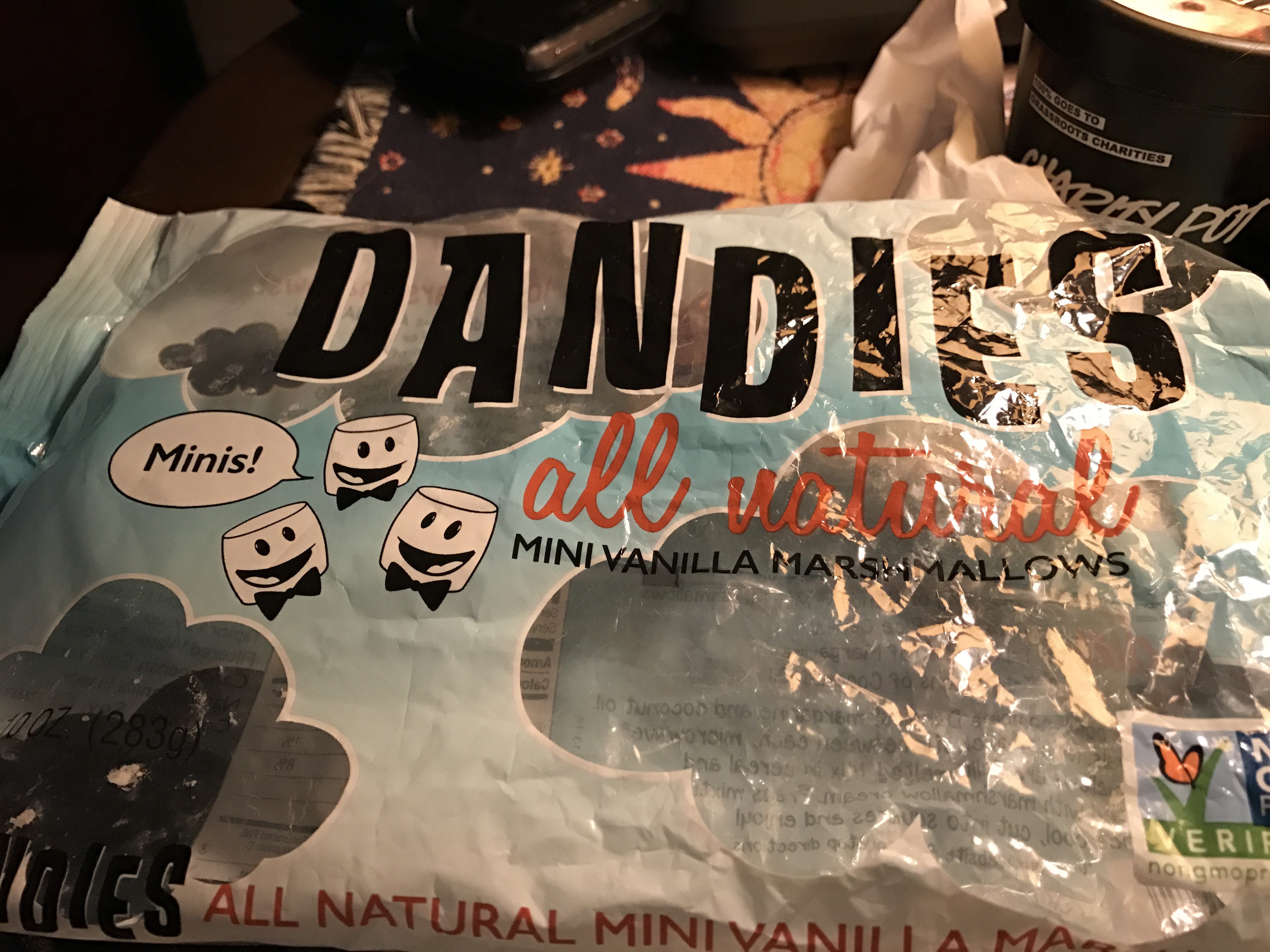
Mommy has been eating vegan marshmallows before bed lately. She said that I am not supposed to tell anyone.
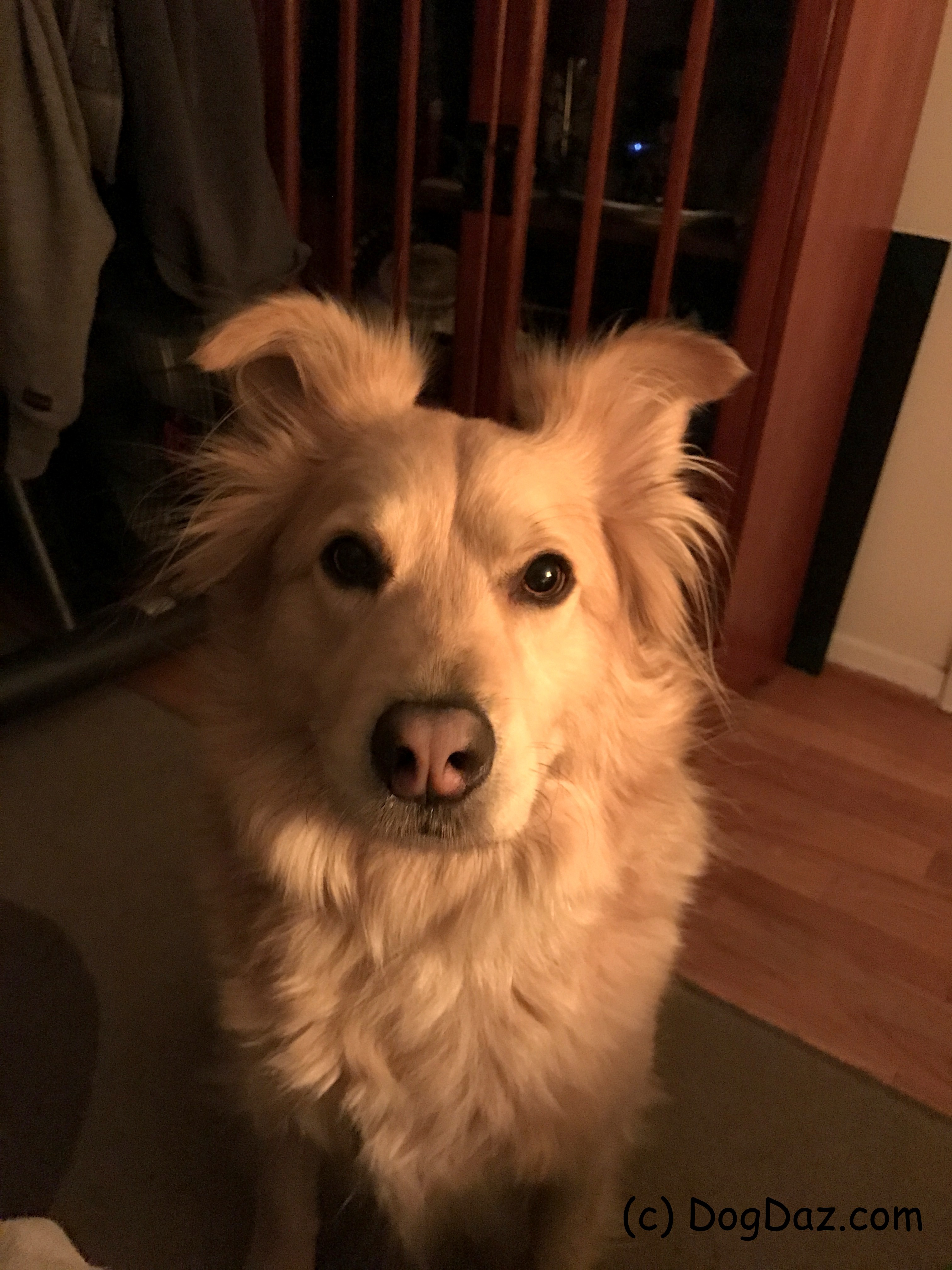
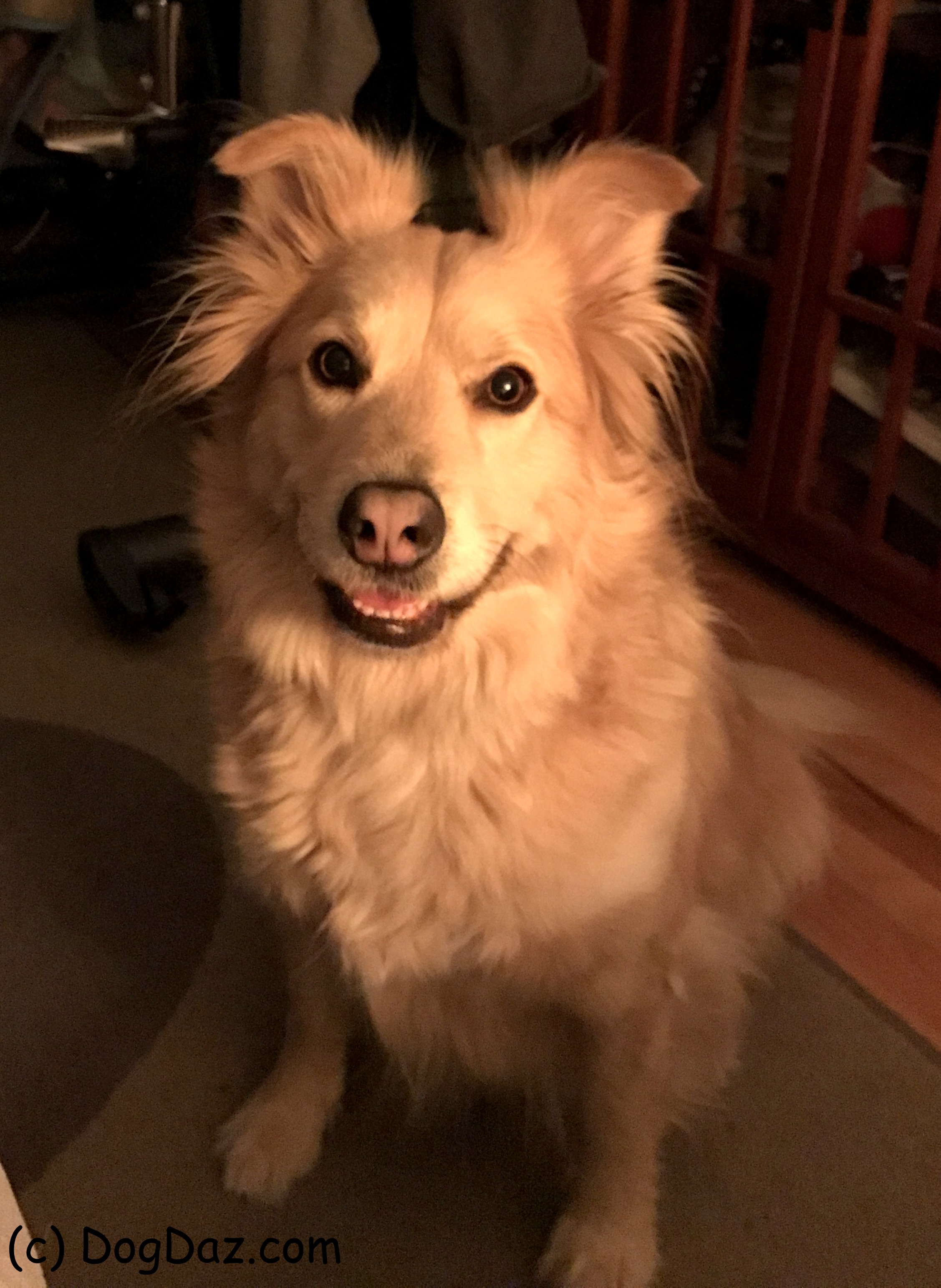
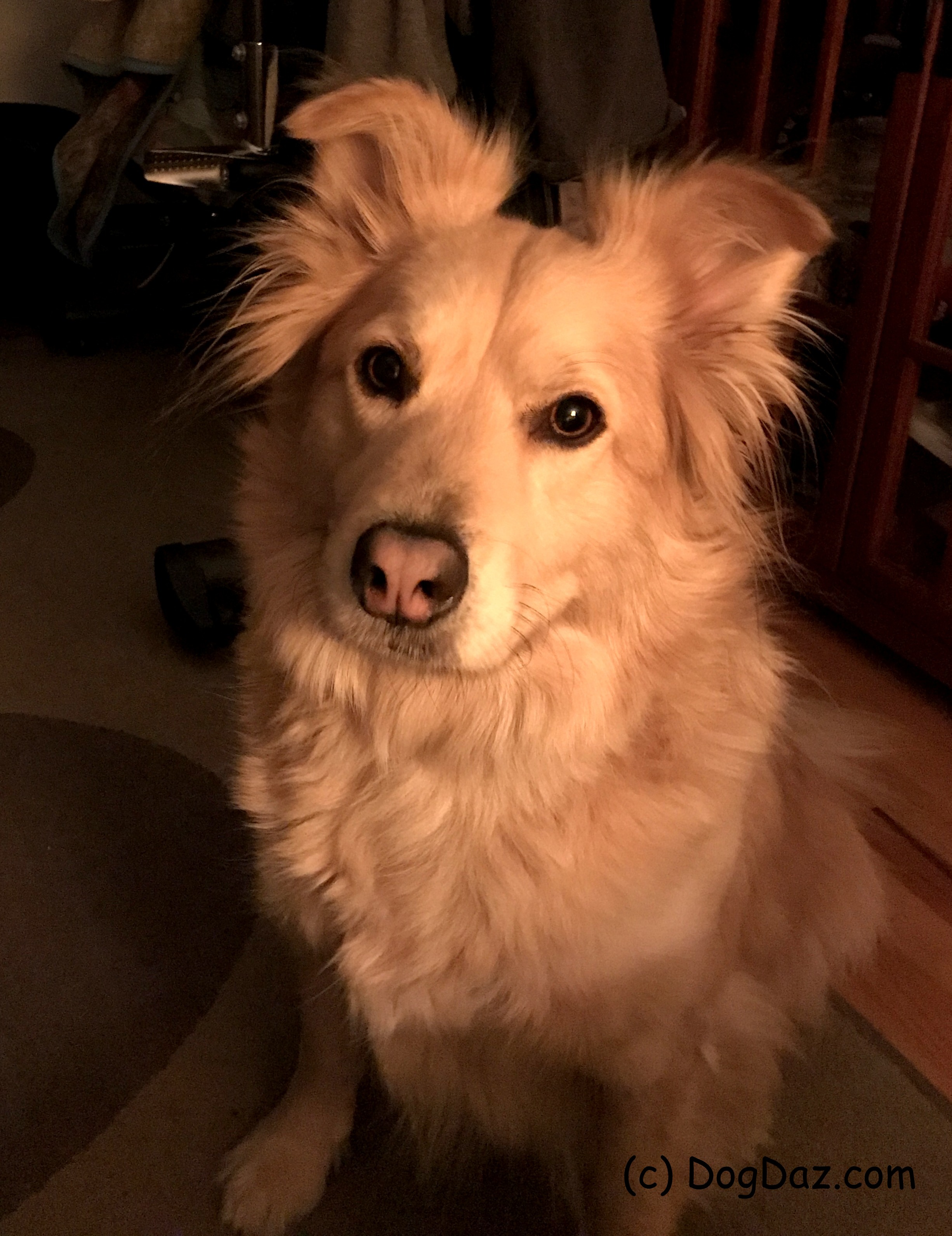
I really like marshmallows. They make me happy. So happy that I smile like I used to when I was young. Mom cannot resist giving me a marshmallow if I smile at her.
Mom and I ate the last marshmallow the other night. 😦 I am sad. Mom is sad. No more marshmallow smiles.
At least until she goes to the store and buys some more. Do you have a late night snack?
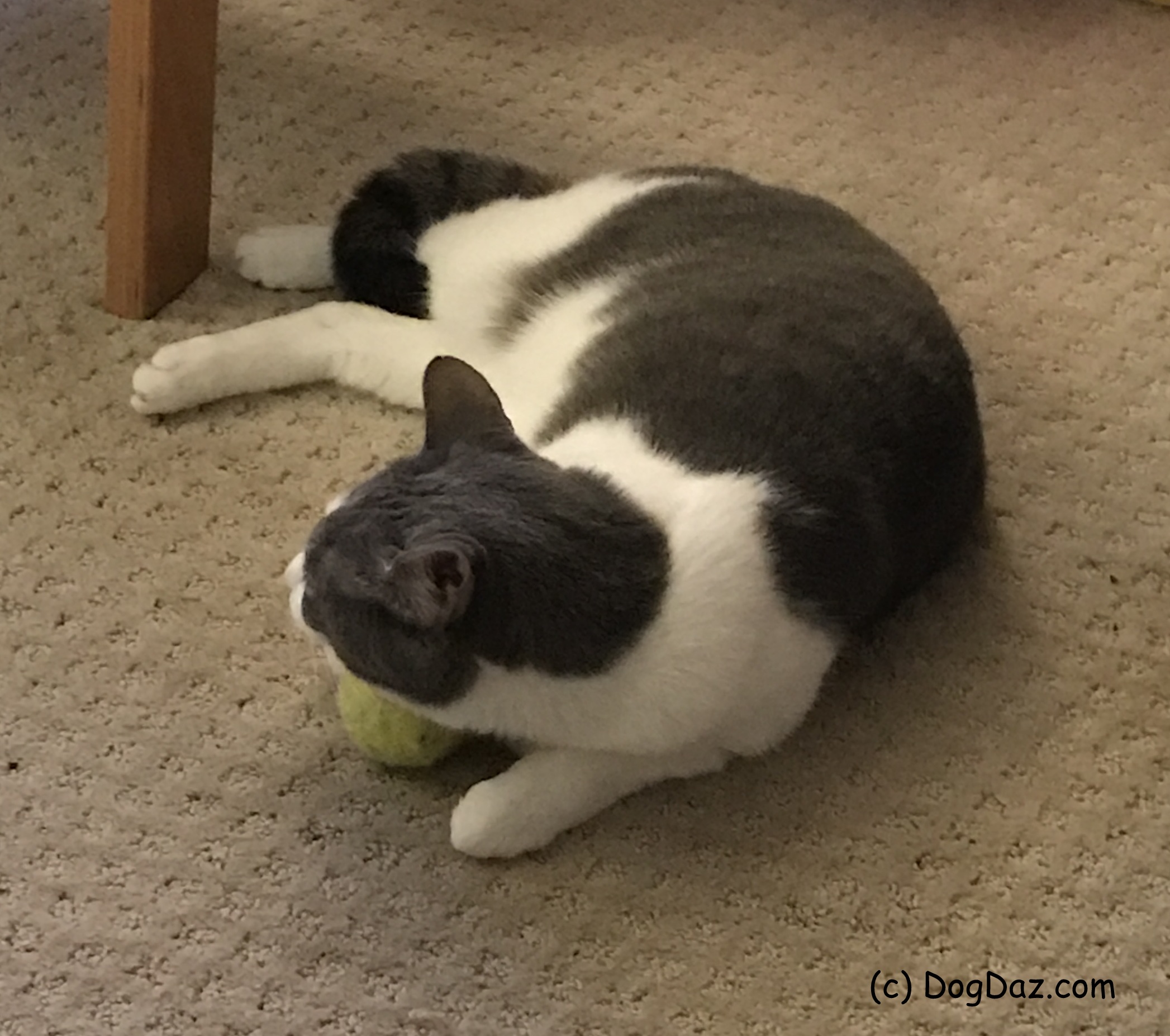
Nine has taken a fancy to the dog’s tennis ball.I don’t know if this was an act of defiance (it’s yours so I am taking it), a true act of comfort (cats sleep on the darnest things), or pure silliness (because he loves to make us laugh).
Charles has now joined the dogs in taking over my bed. At least there are some nice warm spots when I decide to crawl in. I can’t seem to snap a shot when all three are present. And yes, I keep covers over everything during the day, but Louise has figured out how to pull my pillows out and lie on them anyway. Hence 2 covers now. I leave Lulu’s personal throw pillow on top, but alas, that is not enough for her (since it doesn’t smell like Mom, I guess). BOL.
This is a Wordless Wednesday Blog Hop. Thanks to BlogPaws for the hop. Head over there and see what they are blogging about.
We all went down to the river today. Mom figured it was time to show Charles our favorite spot by the tree at the end of the peninsula. Since he is new to the family and we don’t know his water manners, she was afraid he might try to jump in the river, so he had to stay on his lead while we ran around. I don’t think he liked walking on the floating dock. I do admit it is weird under foot until you get used to it. He definitely like the old tree (which is Louise’s favorite). As soon as we got home, Charles and Louise sacked out and took a long nap on Mom’s bed. Me, I stay on the floor and nap. Someone has to supervise the cats. – Brought to you by reporter extraordinaire – Sofie Bear
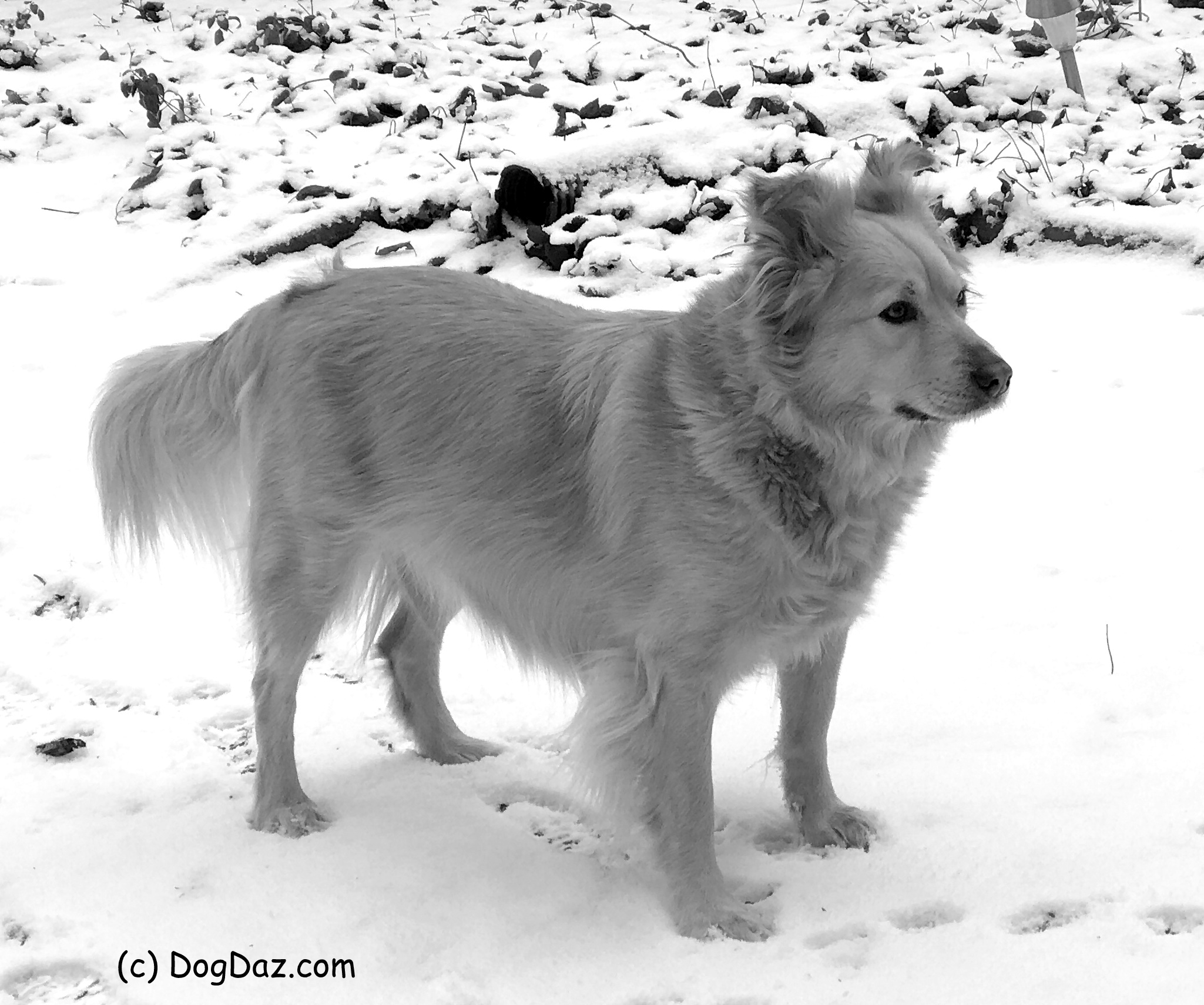
Sofie, the snownose, in the snow. Several winters ago, Sofie’s black nose turned white. They call this ‘snow nose.’ It is the lack of pigment in the cold weather. You can read about it from my post back in 2013. Funny thing with Sofie’s nose, it never totally goes back to black.
Hope you have a warm Sunday!
This is part of the Black and White Sunday Blog Hop. Thanks to Dachshund Nola and Sugar for hosting.
Sometimes I wonder if Louise and Sofie are a bonded pair. Louise was 1 when puppy Sofie came to live with us. They have been together almost their whole lives (they are now 6 and 7). They do not function well when the other is not near by. They work together as a team, especially when it comes to squirrels. They get mopey if the other is not around. Though they are not always next to each other, or even in the same room (for example: Louise sleeps in her kennel downstairs and Sofie on her dog bed upstairs), they don’t like if the other is not in the house. Charles is new to the pack, so they really don’t care much about him, and may never, but clearly, they get confused if the other is not in the picture.
Bonding to another animals comes in many varieties, some healthy and some unhealthy. Here are several different types of bonding that I have found:
Litter mate bonding (genetic). When pups are kept together to adulthood, they may become very codependent and throw tantrums when separated. There has been much written about the problem with litter mate bonding. Most literature warns that they may never be able to be independent of the other. I also read that they may not bond well with their human, because they are so bonded to each other.
Mother and child bonding (dam and offspring). When a pup stays with the Mom longer than 9 weeks, especially if the pup continues to nurse, there can be significant separate issues for both. The Mom can become overprotective and the pup could lack independence.
Work pack bonding (think sled dogs or herders). The dogs are not necessarily related genetically in this case. When dogs work together to carry out a task, they learn each others habits, and depend on each other to reach their goals. When not together, you can imagine that they may feel incomplete and lost.
Grief bonding. This is where an animal, who may have lost their long time pal, replaces that spot with either another animal in the existing family or a new friend. So, if you have 3 dogs and dog 1 & 2 are bonded, and dog #2 of that bonded pair dies, the mourning dog may bond to dog #3, even if they hated each other when dog #2 was alive.
Medical bonding. This is actually one of the reasons we got Louise. Squash was blind and we wanted another dog to help him get around better. Medical bonding is when you have one animal help another, especially when they are blind or deaf. These dogs not only bond because they are together so much, but one would clearly suffer if they are apart. Squash passed away in Louise’s first year, so I don’t think this bond got a chance to be that strong.
Trauma induced bonding. Dogs that have survived floods, tornadoes, puppy mills, even being placed in kennels together in a shelter, have been found to emotionally bond over their shared situation.
Inter-species bonding. These days we are seeing tons of photos on the internet of animals of different species that seem to be very emotionally tied to each other. If you have a cat and dog that have been together for 10 or more years, it would seem to reason that they would miss the other if separated. Is this a true bonded pair? All I know is that when one of the pack here at the Zoo disappears over the rainbow bridge (whether feline or canine) things do shift.
Are your pets bonded to another animal in your family? Tell us about it.







 DogDaz Zoo