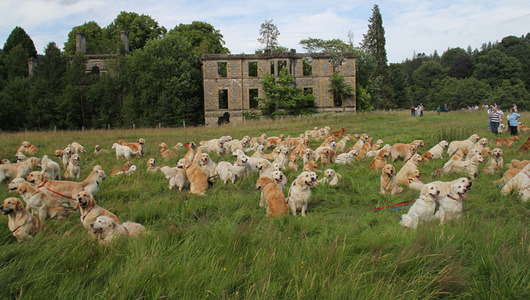

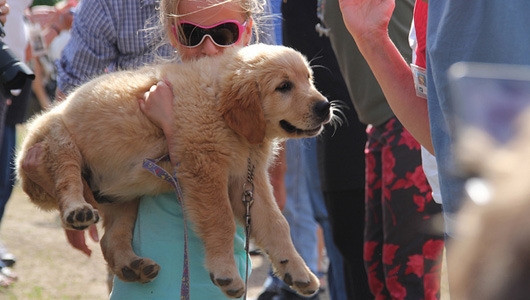
How many golden retrievers does it take to make you say ‘Awww’?
222 golden retrievers gather in Scotland for the Guisachan Gathering, which is held at the home of the man who bred the first golden retriever in 1868.
How many golden retrievers does it take to make you say ‘Awww’?
222 golden retrievers gather in Scotland for the Guisachan Gathering, which is held at the home of the man who bred the first golden retriever in 1868.

K8 caught this shot of Sofie waiting on the other side of the laundry room cat door. No wonder the cats hide.
(Oh, yes, duct tape is my answer to every thing that needs fixing around the house.)
Happy Wednesday.

This is a Wordless Wednesday Blog Hop. Thanks to BlogPaws for the hop. Head over there and see what they are blogging about.
Just another DogDaz morning at the zoo ❤ 
 Frostbite or congelatio in medical terminology [next step] is the damage that is caused to skin and other tissues due to extreme cold. When the environmental temperature drops below 32°F (0°C), blood vessels close to the skin start to narrow or constrict. This constriction of the blood vessels helps to preserve core body temperature by diverting blood toward the core and away from the cooler parts of the body. In extreme cold or when the body is exposed to cold for long periods, this protective mechanism can reduce blood flow in some areas of the body, especially the extremities, to critically low levels. The combination of cold temperature and reduced blood flow can allow the tissues to freeze, causing severe tissue injury. Frostbite is most likely to happen in body parts farthest from the heart and in tissues with a lot of exposed surface area.
Where is a dog more likely to get frostbite?The paws, ears and tail are the most common tissues to be affected. If a dog is wet or damp, these areas are more vulnerable to frostbite.
The clinical signs associated with frostbite include:
As frostbitten tissues thaw, they may become red and very painful due to inflammation.
“The clinical signs of frostbite may take several days to appear…”
The clinical signs of frostbite may take several days to appear, especially if the affected area is small or non-weight bearing (such as the tip of the tail or ears). Severely frostbitten areas will become necrotic or die. As the tissue starts to die, it changes to a dark blue to black color; then, over a period of several days to weeks, it sloughs or falls off. During this time, pus may form or the tissue may develop a foul smell, due to secondary bacterial infection.
Dogs with heart disease, diabetes mellitus or other conditions that cause reduced blood flow to the extremities are at greater risk for frostbite.
Diagnosis is usually based on the medical history and physical examination. If the dog was exposed for a prolonged time or to extremely cold temperatures, blood and urine tests may be performed to look for damage to internal organs.
If you suspect your dog has frostbite, you should seek medical attention immediately. Interim first aid suggestions that you can begin include:
 Your veterinarian will examine your dog and treat any other conditions, especially systemic shock or hypothermia. Since the thawing tissues are extremely painful, your dog will probably be given pain medication. Antibiotics are used to prevent secondary bacterial skin infection if tissue necrosis or death is suspected. Some dogs will require amputation of a severely affected body part.
The prognosis for frostbite depends on the extent of your dog’s injuries. Mild cases of frostbite usually resolve with little permanent damage while more severe frostbite may result in permanent disfiguration or alteration of the affected tissues. In extreme cases, amputation or surgical removal of the necrotic tissues is required. Your veterinarian will discuss the appropriate diagnostic and treatment plan for your dog.
This information is based on material written by Ernest Ward, DVM
————————–
Just another DogDaz morning at the zoo ❤
And so it goes with Christmas toys around the zoo. We still love all the pieces though.
——————————————————-

This is a blog hop. I hopped it from Snoopy’s DogBlog. Check them out for more mischief.
Just another DogDaz morning at the zoo ❤
————————————–

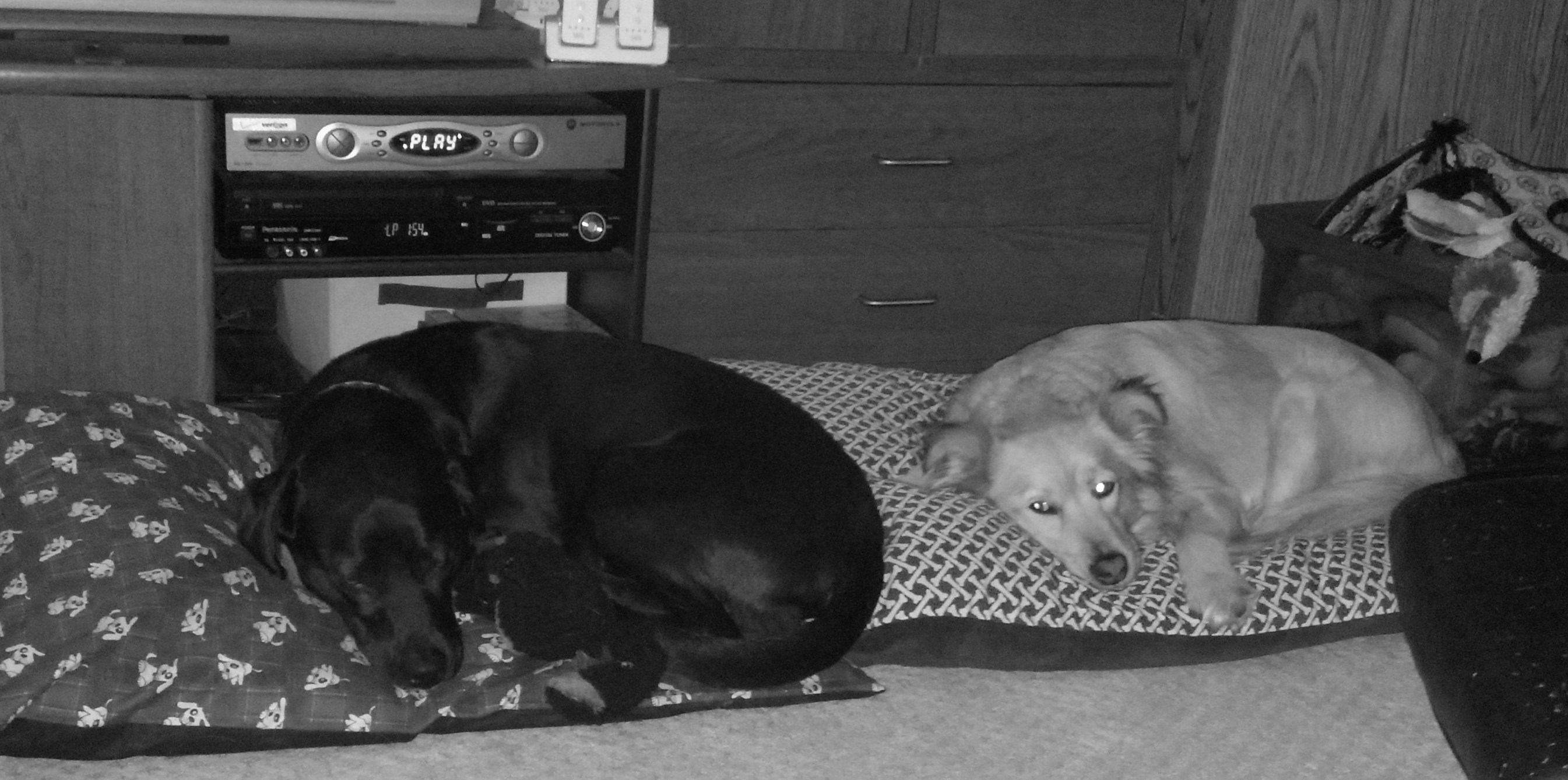
This is part of the Black and White Sunday Blog Hop. Thanks to Daschshund Nola for hosting. Get to know other wonderful animals and their parents and to see how you can take part in this fabulous blog hop!
Just another DogDaz morning at the zoo ❤
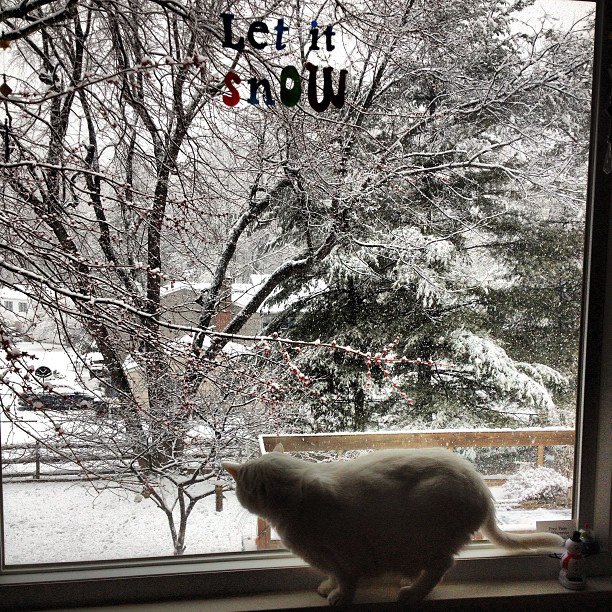
I can not imagine a life without cats. Happy Caturday.
Just another CATDogDaz morning at the zoo ❤


ida at the age of four weeks – in the snow – she’s such a cutie, love her that much!


