Source:epic-humor

Tag Archives: dog

Wordless Wednesday: Zonked
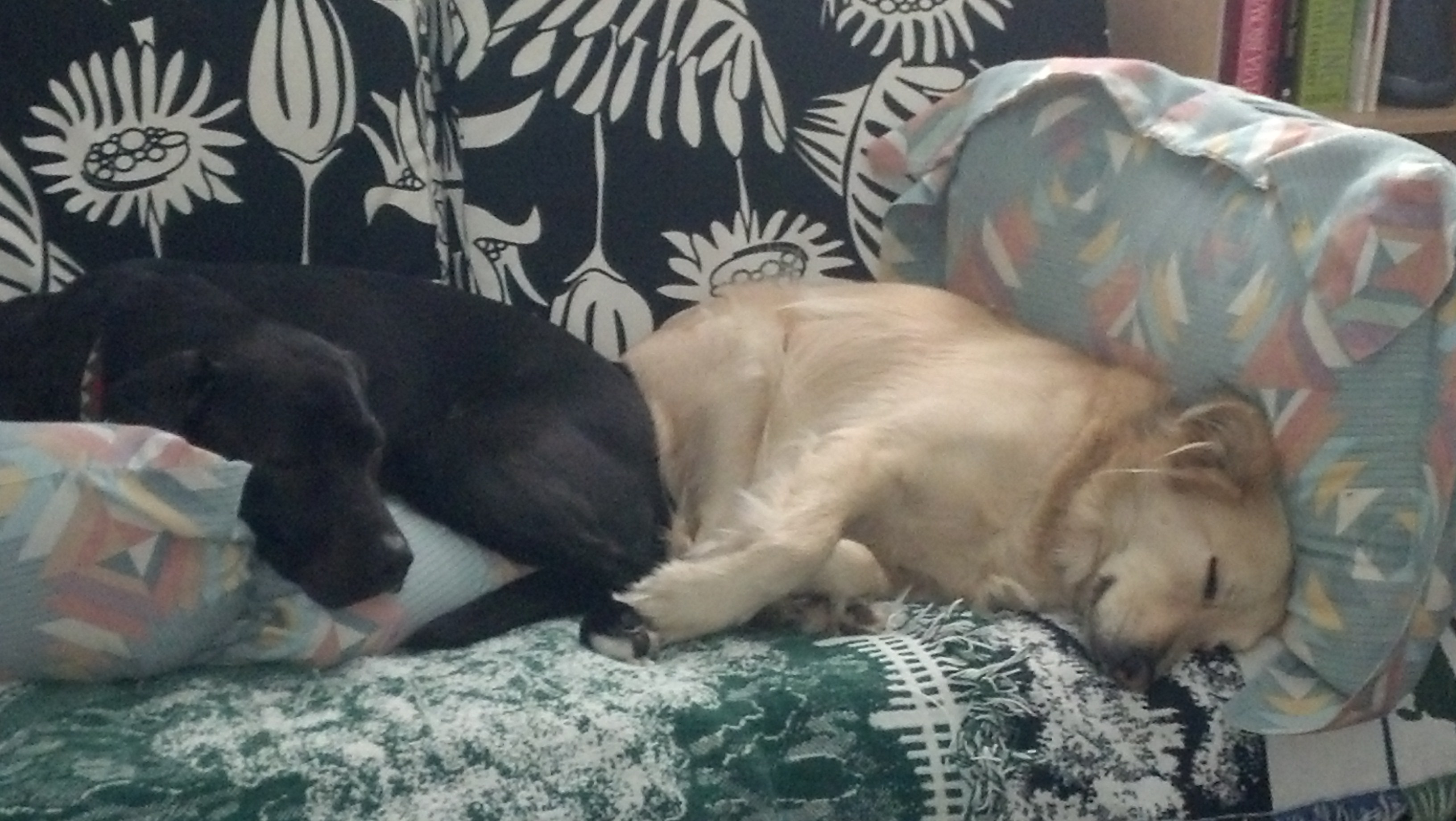
Happy Wednesday!

This is a Wordless Wednesday Blog Hop. Thanks to BlogPaws for the hop. Head over there and see what they are blogging about.
Just another DogDaz morning at the zoo ❤ 

Monday Mischief: Make Up Your Mind, Louise!

Lulu wants OUT!

Lulu wants IN!
I don’t know about you, but when the wind chill hit minus 13 fahrenheit, I was just not going for a long walk. But Louise was just not OK with that thought. I got all geared up and walked them around the yard to try to appease her, but she keep asking “when are we going for a walk, Mom?” Sofie however, did not want anything to do with the frigid temperatures outside. Louise most have gone in and out the door 100 times. So much so that the room dropped from it’s usually daily temperature of 62 to 59. (Yes, we keep the house really cold, but heat is expensive and we bundle up.)
I wonder what Nine and Sofie are discussing in the bottom shot? Any caption ideas ? Knowing Nine he is trying to convince Sofie to jam the door so that he can make a run for it outside. Little does he know how good 62 degrees feels.
——————————————————–

This is a blog hop. I hopped it from Snoopy’s DogBlog. Check them out for more mischief.
Just another DogDaz morning at the zoo ❤
Black and White Sunday: Snow Prints
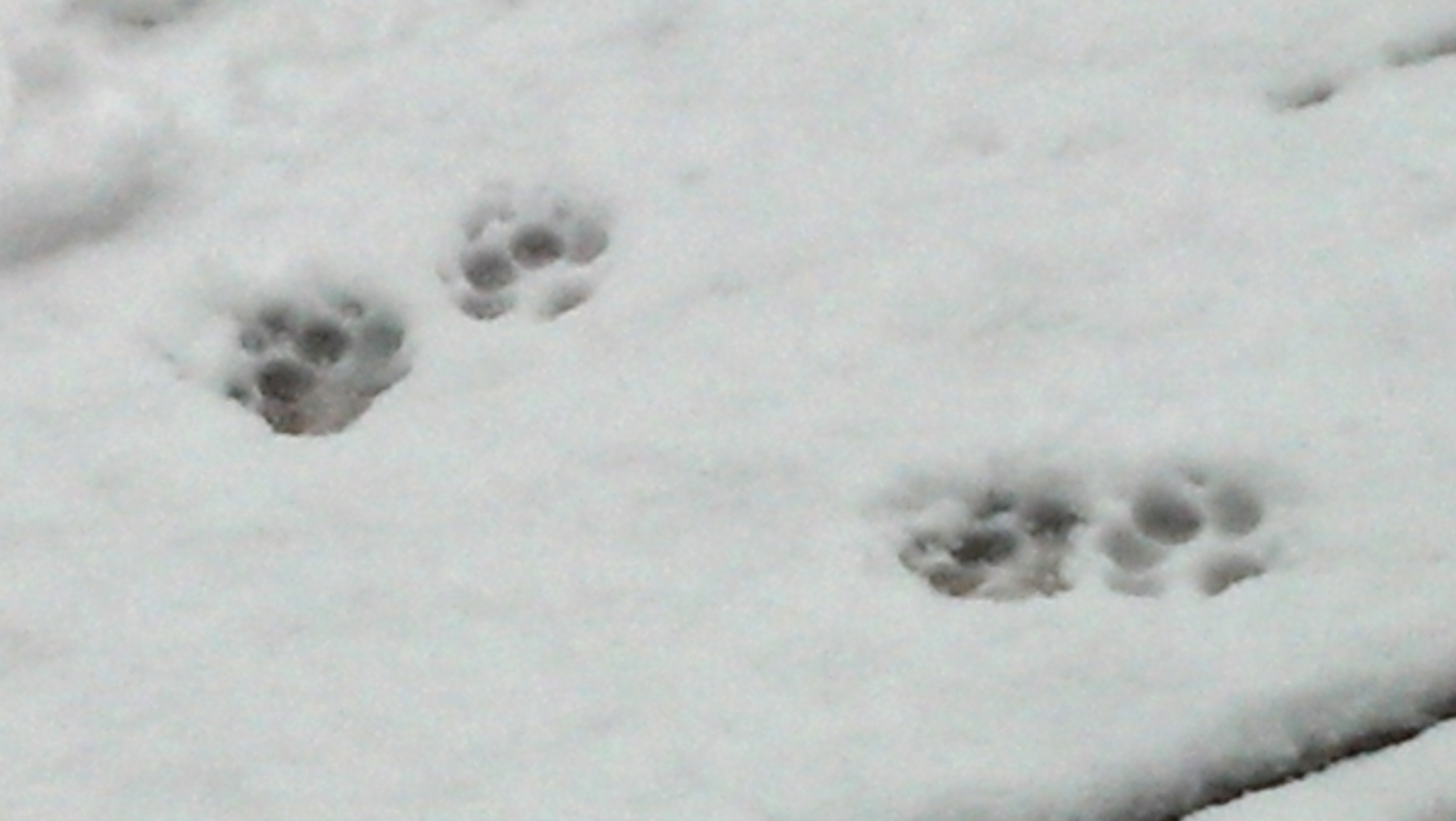

This is part of the Black and White Sunday Blog Hop. Thanks to Dachshund Nola for hosting.
Just another DogDaz morning at the zoo ❤
Follow Up Friday: New Year Rant
Today is Follow-up Friday hosted by Jodi from Heart Like A Dog. This is where we review the week behind so that we can launch into the week ahead (or something like that). But today, I am going to rant about the last 6 months, if that is ok with you?
There is so much to follow-up with since I have been back from China in late November. I have kind of lost my posting rhythm that I had for the last 2 years. Life has really been a whirlwind since last summer when I got laid off retired. When I was working full-time I had my days neatly planned and the blogs both were on the publishing schedule as part of my day. DogDaz was a post-a-day with universal animal pictures and a post-a-day with personal zoo stories. My business blog was twice a week. But that has all changed. I am lucky if I can get once a month with my business blog. And DogDaz, well I have been able to keep up the post-a-day pictures, but the personal stuff has been limited mostly to blog hops. I miss the routine and am trying hard to regain it, but sometimes, it just takes time to control chaos. I still reply to every comment that people write me, but it has become incredibly hard to visit all my blog friends like I want to. That makes me frustrated and sad, but I need to focus on different things now (like closing business).
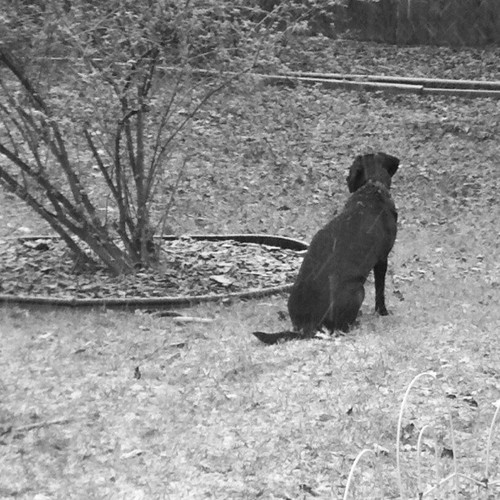
The dogs and I have been through a lot over the last few months. Louise as you might recall was being treated for Perianal Fistula Disease. She was on heavy-duty medication in October and November and appears to have gone into remission (Yeah Yeah Yeah Yeah Yeah). I took them both for their annual check up 2 weeks ago and everything seemed fine with her. But…. on Monday I noticed a very large bump around Louise’s shoulder. Freaked me out. I am thinking Lyphoma from all the toxins she had from the medicine, or something worse. Rushed her to vet. Dr Kate said it is a Granulomas reaction to all the vaccines she was given a few weeks ago. Oh my! Have any of you had this type of reaction in your dogs? It is hard tissue that forms when the body is trying to reject a foreign substance (like a vaccine). Dr. Kate said warm compress and it will go away in a few weeks. Hope so. It doesn’t seem to bother Lulu, thank goodness. She is only 4, which is to young for all this sicky stuff. Would you discontinue vaccines?
 I don’t know if I have blogged about Sofie’s increased obsessive behavior. Barking at every sound, having to gnaw on something constantly (including herself). Dr, Kate says she is a herding bred and needs a job. Great! I need a job too! That doesn’t mean I gnaw on my arm (well maybe). She has been diagnosed with Obsessive Compulsive Disorder (OCD). I guess I have to find a flock of sheep and get her herding. But it is minus 12 degrees Fahrenheit outside so I am not going to be able to sheep herd anytime soon. I am trying to keep her busy (actually both of them) in the house and I bought her a ‘Thunder Shirt’ (she is wearing it in this picture) to try to calm her from the sounds of life and to also make her feel more secure. Has anyone tried a shirt for OCD? When do you put it on? Did it help your dog?
My theme for 2014 is ‘Controlling Chaos.’ That seems to be my life right now. Managing the development of my business while maintaining my sanity with my zoo, my family, and my health. My health is stress stress stress, so I really need to change that..Ah, but this is a blog about the animals, not about me, so I will leave complaining for another day.
Lulu is poking me and wants to go out in the freeze. Please take a moment and accept this invitation to a snowball fight!

We are back!
The cats seem to be doing ok right now, thank goodness! Noel started to come out into the living room and interact much more with K8 and V while I was in China. She has continued to do that now that I am home and it is a good thing. I do miss her in my office with me when I am there (like now), but her new place appears to be on the kitchen chair, under the table, where I put a blanket for her before I left to keep her warm. That is her home now and it gives her more ability to watch the world then she used to have.

That is Noel looking up from the kitchen chair (with her blanket) and wedged against the kitchen table. She is just cracking us up these days.
That’s it for the week. Thanks for playing along with us. Check out the hop below and you can go play with others.
Just another DogDaz morning at the zoo ❤
————————————————————————————————-
Follow Up Friday is part of the blog hop hosted by Heart Like A Dog.

Thankful Thursday: A Town Cares For Tommy
——————————————————————————————————
This is part of the Thankful Thursday Blog Hop from PepiSmartDog.com

Just another DogDaz morning at the zoo ❤
DogDaz Zoo: How many Golden’s does it take…
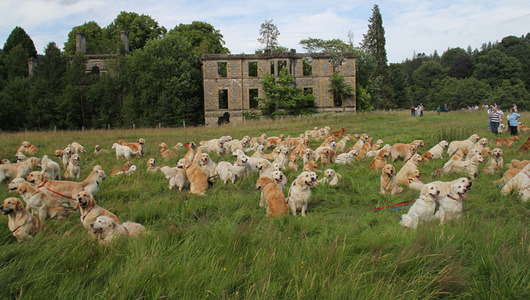

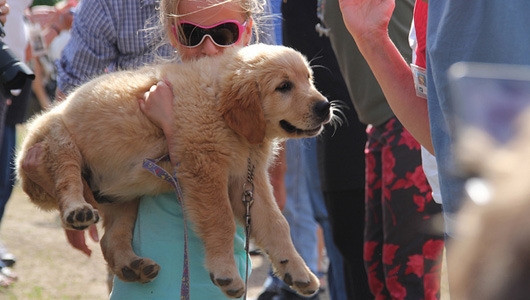
How many golden retrievers does it take to make you say ‘Awww’?
222 golden retrievers gather in Scotland for the Guisachan Gathering, which is held at the home of the man who bred the first golden retriever in 1868.
Wordless Wednesday: Come out, come out!

K8 caught this shot of Sofie waiting on the other side of the laundry room cat door. No wonder the cats hide.
(Oh, yes, duct tape is my answer to every thing that needs fixing around the house.)
Happy Wednesday.
This is a Wordless Wednesday Blog Hop. Thanks to BlogPaws for the hop. Head over there and see what they are blogging about.
Just another DogDaz morning at the zoo ❤

